
Your TL;DR Guide to Exploring O’ahu
TL;DR: While Hawai’i is oftentimes praised for its beaches and zip-lining, there are other ways to explore the Island. The Honolulu Zoo offers guests, especially those with kids, a way to dive deeper into local conservation efforts, wildlife, and plant life. Parking is pretty cheap (compared to there rest of Waikiki) and tickets can be purchased at the gate. It can be pretty hot, so it’s recommended you bring hats, water, sunscreen, and some snacks to keep you fueled.
- The History Behind the Honolulu Zoo
- Conservation and Preservation Efforts at the Honolulu Zoo
- The Logistics
- Things to Do at the Zoo
- The Verdict: Was it Worth it?
- Explore More
When planning out some activities for my last trip to the Island of O’ahu, we were debating whether to visit the Waikiki Aquarium or the Honolulu Zoo. While ideally we would stop by both, time was in short supply so we settled on just Honolulu Zoo (for this visit, at least). I had fairly mid-expectations for the outing, but I ended up being pleasantly surprised!
The History Behind the Honolulu Zoo
Situated in the neighborhood of Waikiki in the Queen Kapiʻolani Park, Honolulu Zoo has some very royal roots.
In 1876, King Kalakaua set aside a portion of land to be made into a park to be enjoyed by the people in his kingdom. This park, officially opened in 1877, was named after King Kalakaua’s wife, Queen Kapiʻolani.
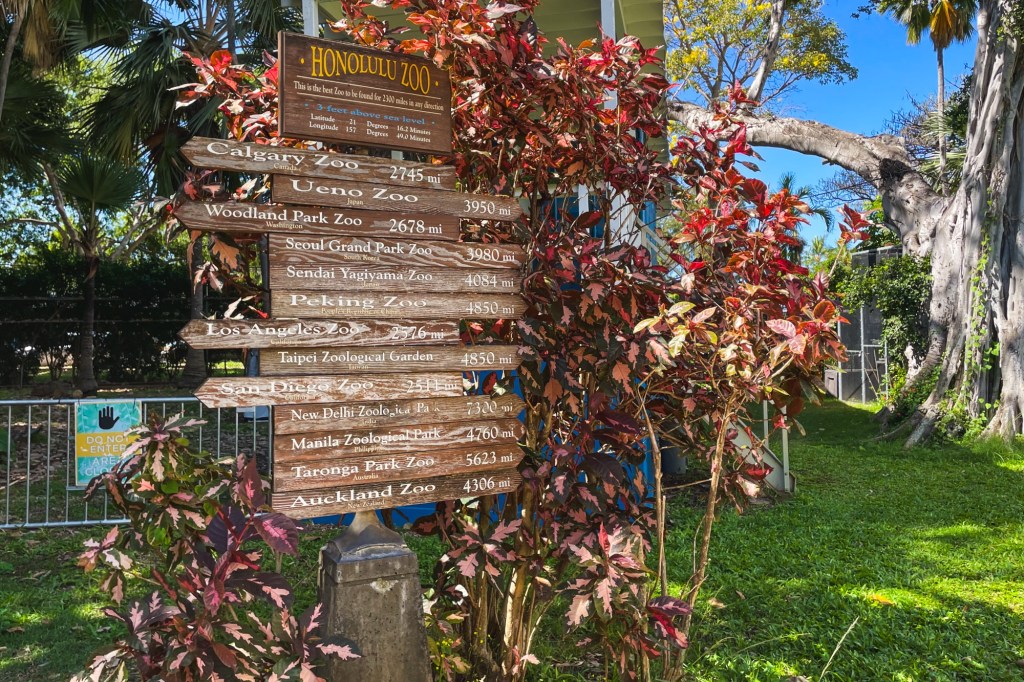
While the zoo didn’t officially come into existence until 1916, animals from around the world were often found in the park (first, from the King’s collection and then, later, from the park administrator’s).
In 1893, the Kingdom of Hawai’i was forcibly – and illegally – taken by a group of (mostly American) businessmen and politicians. The park continued to run, despite this, and eventually came to be managed by the City and County of Honolulu.
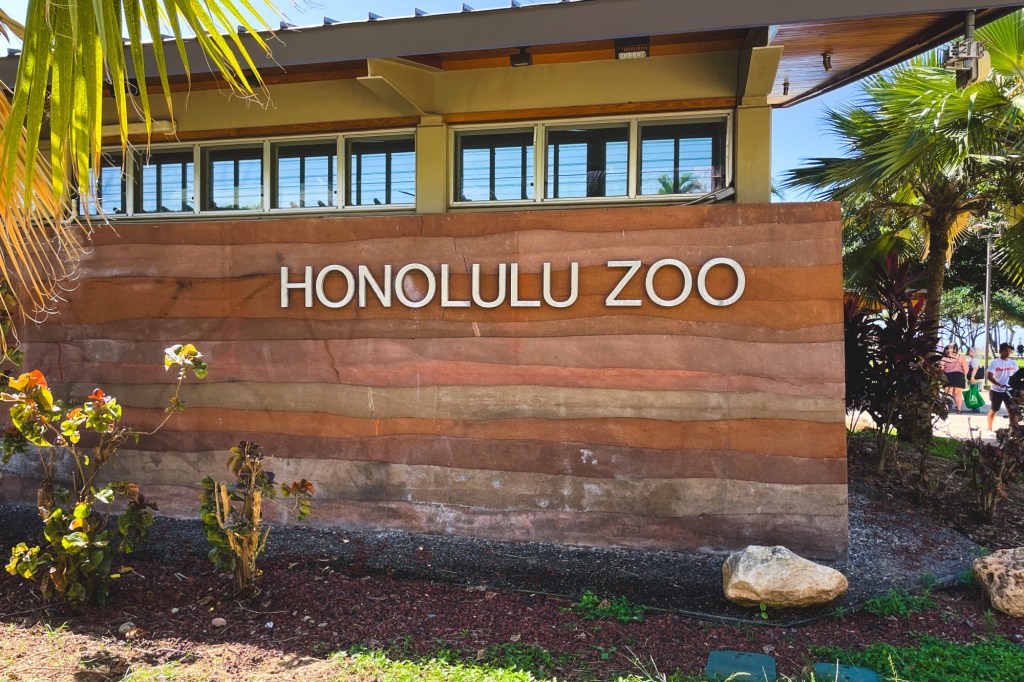
Today, Honolulu Zoo is the only zoo in the United States of America established through a monarch’s grant – a testament, of course, to the Kingdom of Hawai’i.
Conservation and Preservation Efforts at the Honolulu Zoo
Every now and then, I see (mostly online) discourse on whether or not zoos are ethical for tourists to visit. Today’s post isn’t an in-depth exploration of the topic, but I thought it would be worthwhile to talk about why someone (like me) might choose to add the Honolulu Zoo onto their travel plans. Based on my research, to put it briefly, zoos can be great spaces to protect endangered species, promote wildlife protection, and increase public education (and funding!) to further environmental efforts. That is, if the zoo is doing the right thing.
In the United States, zoos are accredited by the Association of Zoos and Aquariums (AZA) – a body that evaluates whether a zoo or aquarium maintains a certain level of animal care and conservation efforts that extends beyond what is legally required.
In 2016, the Honolulu Zoo lost its accreditation, largely due to inconsistent funding. Over the next 4 years, the zoo worked to address issues the AZA had found, and eventually was able to once again receive that accredited status in 2020. This means an external reviewing body (the AZA) has checked the animal welfare conditions, evaluated the zoo’s educational and conservation efforts, funding, safety, and training to ensure they meet the AZA standard.
So what exactly does that mean at the Honolulu Zoo?
Well, in 2005, the Honolulu Zoo built the Animal Health Center on part of the zoo’s ground, directly providing care to the zoo’s animals. The zoo also partners with a variety of local and international conservation programs (most notably, the Aloha ʻĀina Conservation Fund). You can check out other local, community-led conservation efforts on the site here. And lastly, the zoo has also actively worked at protecting and re-establishing endangered local species, including through a newly opened seabird rehabilitation center.
The Logistics
At a Glance:
Address: 151 Kapahulu Ave, Honolulu, HI 96815
Hours: 10AM-4PM (Daily)
Website: Honolulu Zoo Society
Cost: $13-$21 depending on age (discounts available)
Parking: Paid lot
24/7 information line: (808) 971-7171
Parking & Transportation for the Zoo
If you are staying in Waikiki, the zoo is conveniently located near the Waikiki Beach Walls and Queen Beach. In fact, when possible, I recommend walking around Waikiki rather than driving – traffic and parking fees can add up.
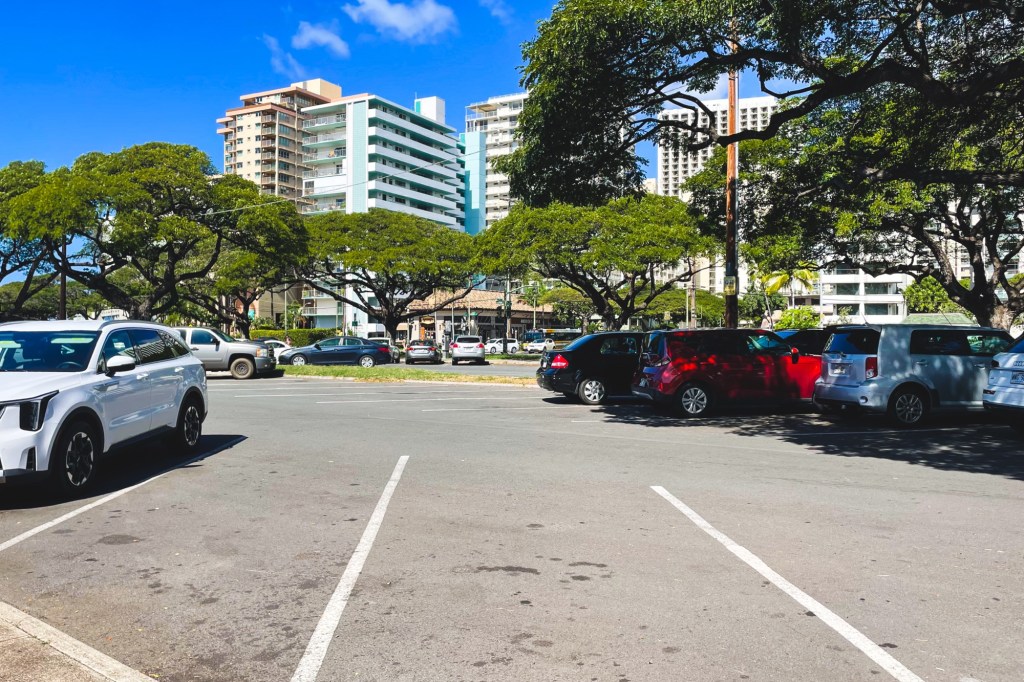
That being said, the Honolulu Zoo has its own parking lot with a pretty cheap hourly rate of $1.50 – one of the best rates in the area by a long shot.
The Best Time to Visit
Visiting earlier in the day, as close to opening as possible, will give you the chance to enjoy the zoo before the heat of the day gets too intense (both for you and the animals).
I also recommend setting aside a few hours to enjoy the zoo – I could have spent much more time there, but my energy was waning and I had to eat (and Waikiki is full of great dining options).
Things to Do at the Zoo
I was traveling with kids, so the zoo trip was all about them. However, I ended up really enjoying my time exploring!
All About Animals: The Animal Exhibits
This zoo is pretty expansive, with a variety of mammals, birds, amphibians, and reptiles. A few of the mammal exhibits were closed for renovation when I went, but there was still plenty to see. For a full list of what animals you can find, head on over to Honolulu Zoo Society here.
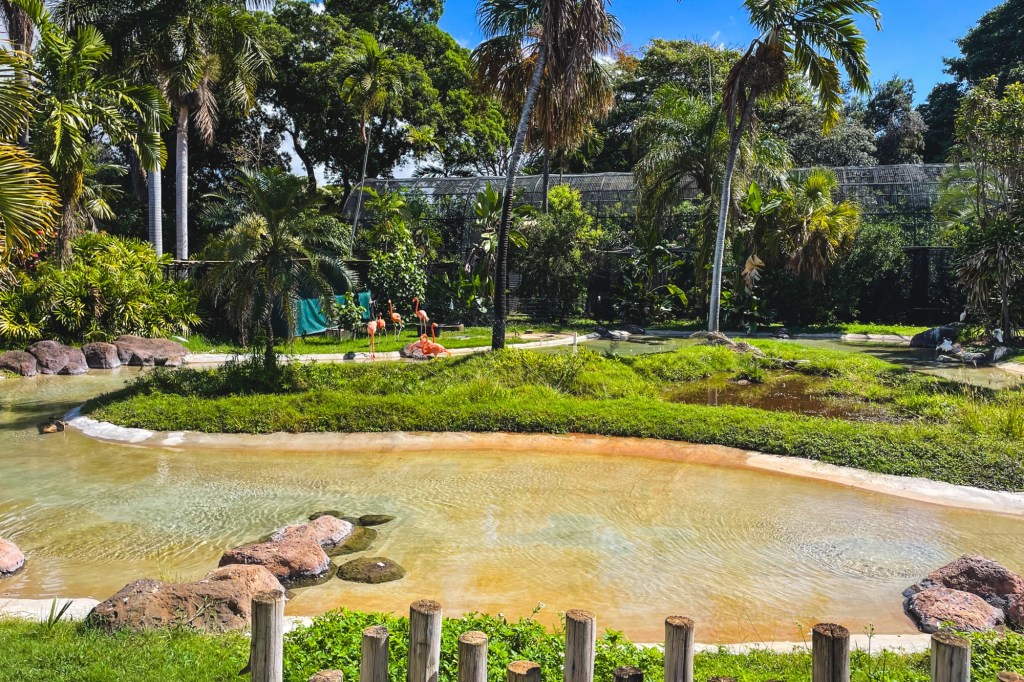
Surprisingly, my favorite exhibitions were the reptiles – and I am not usually a reptile person. They had so many unique (and large) species that I’m not used to seeing. So, if you do end up visiting, be sure to stop by my new friends the Monitor Lizards!
If you’re curious to check it out ahead of time, you can visit the Live Zoo Cams here for a little sneak peak.
Just for Kids: The Keikei Zoo
The Honolulu Zoo also has a kids-zone (the KeiKei Zoo) which features a large playground, special exhibits, and a petting zoo. The whole look was cute and I was impressed with the playground design.
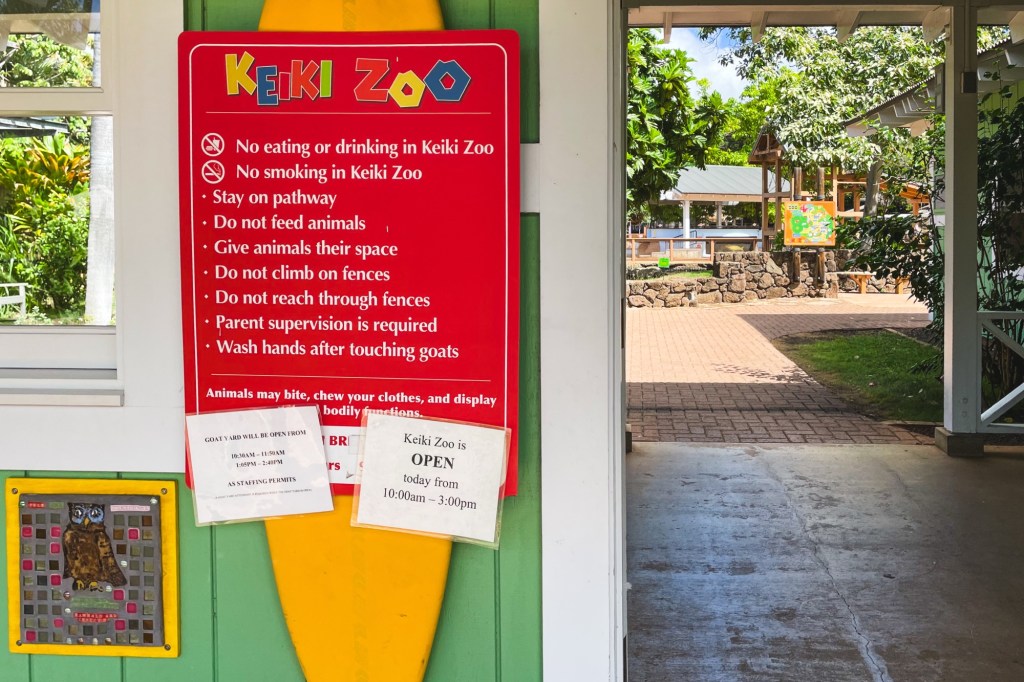
If you are with kids, there’s no way you can walk past that playground without spending some good time there!
Morning Safari Tour
Lastly, the zoo also offers a (fairly pricey) safari tour that allows guests early access to the zoo and a special opportunity to feed the giraffes. Since tickets for this run at $500 dollars per group, I didn’t get a chance to try this out. However, if you’re interested in leveling up your zoo day, check out all the details to reserve your spot here.
The Verdict: Was it Worth it?
I was pleasantly surprised – the facilities were expansive (it did feel little maze-like) and I learned a lot. And I would definitely go again.
That being said, not everyone felt the same. No one had a bad time, but I think the heat can certainly affect your experience – so make sure to bring some water or plan on visiting one of the snack bars to keep spirits high while you explore!
Have you been to the Honolulu Zoo? What was your experience like?





 TL;DR Travels
Leave a reply to Top 5 Kid-Friendly Activities in O’ahu – TL;DR Travels Cancel reply